
Leadership in Healthcare: How Leaders Improve Patient Care
Jun 15, 2026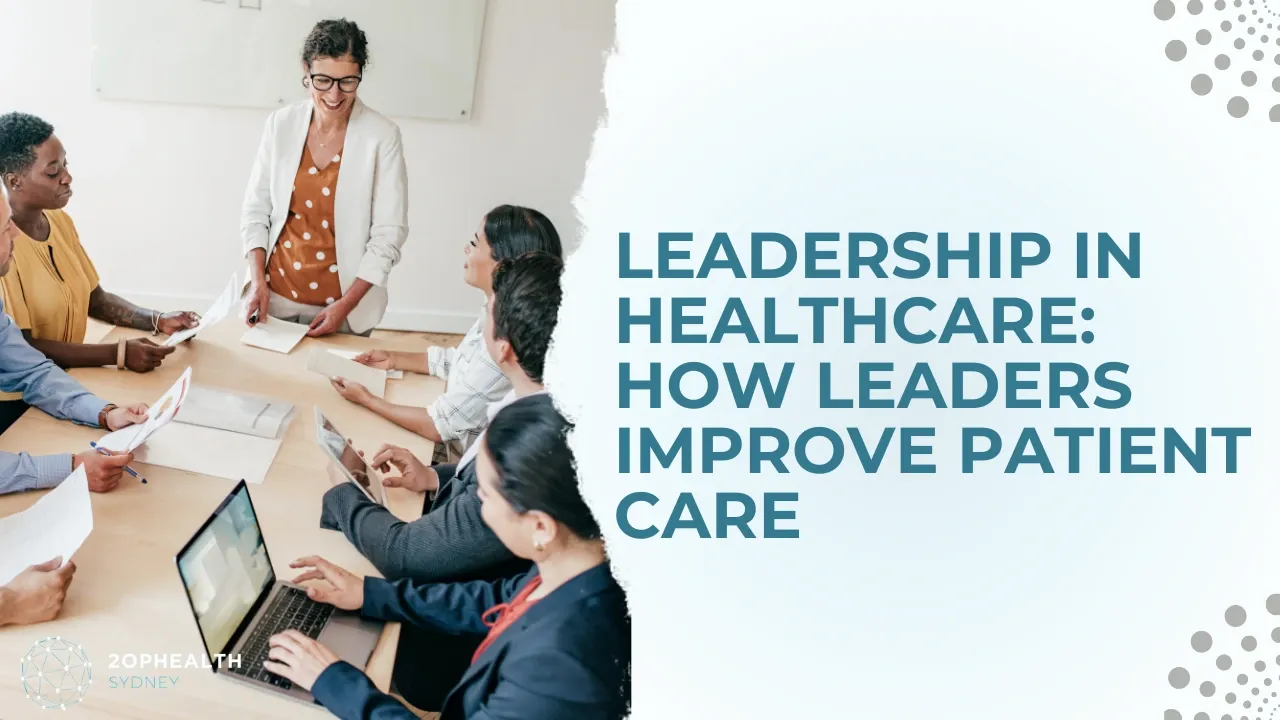
Strong leadership in healthcare improves patient care by promoting teamwork, improving patient safety, and creating a culture of trust. Effective leaders encourage continuous learning, make informed decisions, and empower healthcare professionals to deliver high-quality care.
Why Is Leadership Important in Healthcare?
Good leadership in healthcare creates an environment where patients feel safe, staff feel valued, and healthcare organizations continue improving. Strong leadership influences every decision, from patient safety to employee satisfaction, making it one of the most important parts of quality healthcare.
Behind every successful hospital or clinic are leaders who inspire teams, support collaboration, and drive continuous improvement. Medical knowledge alone isn't enough to deliver exceptional patient care. Healthcare professionals also need strong leadership, communication, and clear direction, especially during challenging situations.
Great leaders encourage collaboration instead of blame. They help nurses, doctors, technicians, and administrative teams work toward shared goals. This creates smoother patient experiences and reduces unnecessary errors.
Today, healthcare leadership goes beyond managing departments. It focuses on empowering teams, improving patient outcomes, and driving continuous improvement.
How Does Good Leadership Improve Patient Care?
One of the greatest benefits of strong leadership in healthcare is improved patient outcomes. Leaders who communicate clearly and support their teams help create faster decisions, fewer mistakes, and more compassionate care.
Patients remember more than their treatment. They also remember how well healthcare teams communicated, worked together, and responded to their needs.
Effective leaders also improve staff confidence. When healthcare workers receive encouragement and proper resources, they perform their duties more efficiently while maintaining empathy during challenging situations.
Strong leadership in healthcare also builds accountability. Teams understand their responsibilities, communicate openly, and focus on solving problems before they affect patient safety.
What Qualities Make a Great Healthcare Leader?
Effective healthcare leaders combine clinical knowledge, communication skills, and emotional intelligence to support both patients and healthcare teams.
Some qualities consistently define successful leaders:
- Communication: Clear conversations reduce misunderstandings and improve teamwork.
- Empathy: Understanding both patients and employees builds trust.
- Integrity: Honest decisions create confidence throughout the organization.
- Adaptability: Healthcare changes constantly, and leaders must adjust quickly.
- Problem-solving: Challenges require calm, thoughtful decision-making.
Different leadership styles in healthcare work well depending on the situation. Some leaders prefer collaboration, while others make quick decisions during emergencies. The strongest leaders know when each style is appropriate.
Understanding these leadership styles helps organizations develop managers who can guide teams through everyday responsibilities and unexpected challenges alike.
How Do Leadership Programs Prepare Future Healthcare Professionals?
Leadership skills are learned through education, practical experience, and continuous growth. Programs designed for future leaders help professionals build confidence while understanding complex healthcare systems.
Many professionals pursue a master's degree in healthcare leadership because these programs combine healthcare knowledge with management, communication, finance, and organizational strategy.
A quality program prepares students to lead hospitals, clinics, community organizations, and healthcare departments with confidence.
Graduates often develop stronger decision-making abilities, conflict resolution skills, and strategic planning experience.
Earning this qualification also creates opportunities for career advancement while improving healthcare delivery.
What Is Clinical Leadership in Healthcare?
Clinical leadership in healthcare focuses on guiding healthcare professionals while maintaining excellent patient care. Clinical leaders combine medical expertise with leadership skills to improve treatment quality and team performance.
Unlike traditional management, clinical leaders remain closely connected to patient care. They understand the daily challenges faced by healthcare professionals because they often work alongside them.
This approach encourages trust throughout healthcare teams. Staff members feel supported because leaders understand real clinical situations rather than making decisions from a distance.
One important example is clinical leadership in nursing and healthcare, where experienced nurses guide teams, mentor younger professionals, and improve patient safety.
Strong clinical leadership in nursing and healthcare also encourages evidence-based practice, continuous education, and better communication between departments.
As healthcare becomes more complex, strong clinical leaders continue playing a vital role in delivering consistent, patient-centered care.
Which Leadership Skills Matter Most?
Different situations require different approaches. That's why developing multiple leadership abilities is essential.
|
Leadership Skill |
How It Helps Patient Care |
|
Communication |
Reduces misunderstandings and improves teamwork. |
|
Decision-making |
Supports faster responses during emergencies. |
|
Emotional intelligence |
Builds trust with patients and staff. |
|
Team collaboration |
Encourages coordinated patient treatment. |
|
Conflict resolution |
Maintains positive workplace relationships. |
|
Strategic planning |
Improves long-term healthcare quality. |
Organizations that invest in healthcare leadership training often experience stronger employee engagement, improved patient satisfaction, and better operational efficiency.
Regular healthcare leadership training also prepares future managers before leadership positions become available.
Continuous learning ensures that healthcare leaders stay prepared for changing technologies, policies, and patient expectations.
How Can You Become a Better Healthcare Leader?
Improving leadership begins with small, consistent actions rather than dramatic changes. Every healthcare professional can strengthen leadership abilities throughout their career.
1. Develop Strong Communication
Listen actively, explain clearly, and encourage open conversations within your team. Great leaders communicate with respect and honesty.
2. Build Clinical Knowledge
Continue learning through certifications, workshops, and practical experience. Better knowledge supports better decisions.
3. Learn From Experienced Leaders
Observe professionals who inspire trust, remain calm under pressure, and support their teams with confidence.
4. Invest in Professional Education
Advanced leadership programs prepare healthcare professionals for greater responsibility and long-term career growth.
5. Participate in Leadership Development
Joining healthcare leadership training helps strengthen communication, management, and decision-making skills through practical learning experiences.
6. Practice Emotional Intelligence
Understand how emotions influence patients, families, and coworkers. Compassion creates stronger relationships throughout healthcare organizations.
7. Keep Growing
Leadership is never complete. Professionals who continue learning often become the leaders others naturally trust and follow.
Why Does Leadership Shape the Future of Healthcare?
Healthcare continues evolving through technology, changing patient expectations, and growing clinical demands. Strong leadership helps organizations adapt while maintaining compassionate care.
Future healthcare systems will need leaders who understand innovation without losing sight of human connection. Successful leadership in healthcare balances modern solutions with genuine compassion.
This is why education remains so valuable. Many professionals pursue a masters in healthcare leadership to prepare for future challenges while building organizations that prioritize both patients and healthcare teams.
Strengthening clinical leadership across nursing and other healthcare professions also improves frontline decision-making and patient care.
FAQs
Can leadership really improve patient outcomes?
Yes. Strong leadership improves teamwork, communication, and decision-making, all of which contribute to safer treatments and better patient experiences across healthcare settings.
Is leadership only important for hospital managers?
No. Nurses, physicians, therapists, and other healthcare professionals demonstrate leadership every day through communication, teamwork, and patient advocacy.
Do leadership skills come naturally?
Some people have natural leadership qualities, but effective leadership can absolutely be learned through education, mentoring, and practical experience.
Why is communication considered a leadership skill?
Clear communication reduces mistakes, strengthens teamwork, and helps patients feel informed throughout their healthcare journey.
Ready to Lead the Future of Healthcare with Courses 2OP Health?
Ready to take the next step in your healthcare career? Courses 2OP Health offers practical learning designed to help healthcare professionals build confidence, strengthen leadership skills, and prepare for rewarding career opportunities in today's evolving healthcare industry.
Join the free masterclass today and discover how the right education can help you become the healthcare leader patients and teams deserve.
Stay connected with news and updates!
Join our mailing list to receive the latest news and updates from our team.
Don't worry, your information will not be shared.
We hate SPAM. We will never sell your information, for any reason.