
Mental Health Professionals: Skills That Drive Outcomes
May 08, 2026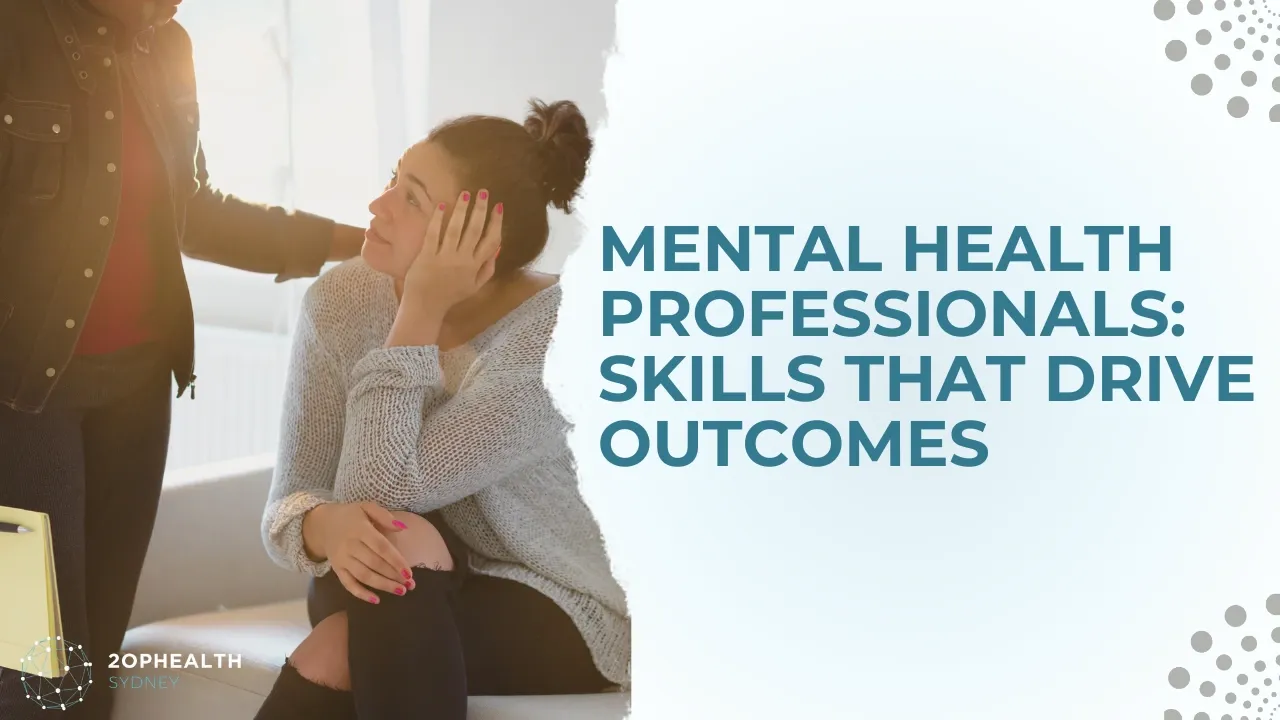
Mental health outcomes are strongly influenced by the skills, communication style, and practical experience of a mental health professional. Beyond clinical knowledge, the ability to build trust, understand individual needs, and provide consistent support helps people make meaningful progress. Strong professional skills create safer conversations, better treatment experiences, and more positive long-term results.
What Skills Make a Mental Health Professional Effective?
The most effective professionals combine technical expertise with strong interpersonal abilities. A skilled mental health professional understands that every person’s situation is unique and requires a tailored approach.
Listening without judgment is one of the most important skills. People often seek support during vulnerable moments, and feeling heard can make a significant difference in their willingness to engage in care.
Communication is equally important. Clear explanations, realistic guidance, and compassionate conversations help individuals feel more comfortable throughout the support process.
Problem-solving skills also play a major role. A capable mental health professional can identify challenges, explore practical solutions, and help clients build healthier coping strategies.
Why Does Professional Development Matter in Mental Health?
Continuous learning helps professionals stay effective in a field that constantly evolves. Mental health professional development allows practitioners to strengthen their knowledge, refine techniques, and improve the quality of care they provide.
As client needs change, professionals must adapt their approaches. New therapeutic methods, communication techniques, and care models can enhance outcomes when applied appropriately.
Strong mental health professional development also encourages self-reflection. Professionals who regularly evaluate their skills are often better equipped to recognize areas for improvement.
Ongoing growth benefits both practitioners and the individuals they support. This is why many organizations encourage structured mental health professional development throughout a professional’s career.
How Do Mental Health Professionals Support Teenagers?
A qualified mental health professional for teens understands the challenges associated with adolescence and creates strategies that reflect those realities because teenagers face unique emotional, social, and academic pressures that require specialized support.
Young people often struggle to express emotions openly. Building trust is essential before meaningful progress can occur.
A mental health professional for teens may help with emotional regulation, self-esteem concerns, peer relationships, academic stress, and family communication.
Creating a safe and welcoming environment encourages teenagers to discuss concerns they may otherwise keep hidden. The role of a mental health professional for teens is not simply to provide advice but to help young people develop practical skills for handling life's challenges.
What Types of Services Do Mental Health Professionals Provide?
The range of mental health professional services extends far beyond traditional counselling sessions. Support may include assessments, therapy, coaching, crisis intervention, behavioural support, and ongoing wellbeing planning.
Some individuals seek help for specific concerns, while others need broader emotional support. Quality mental health professional services are designed to meet people where they are and provide guidance that fits their circumstances.
How Can a Mental Health Professional Help With Anxiety?
Living with anxiety can make everyday situations feel overwhelming. A skilled mental health professional for anxiety helps individuals understand triggers, identify thought patterns, and develop healthier coping mechanisms.
Rather than focusing only on symptoms, a mental health professional for anxiety works to uncover contributing factors and build practical strategies for managing stress.
Support may include emotional regulation techniques, confidence-building exercises, and structured approaches to handling anxious thoughts.
The guidance of a mental health professional for anxiety often helps individuals feel more in control of situations that once felt difficult to manage.
How Can a Mental Health Professional Help With Depression?
Depression affects emotions, motivation, energy levels, and daily functioning. A qualified mental health professional for depression provides structured support that helps individuals navigate these challenges safely.
Many people experience feelings of isolation during difficult periods. Working with a trained professional offers a supportive environment where those experiences can be explored openly and constructively.
Support often focuses on identifying barriers, setting achievable goals, and developing healthier routines that promote emotional well-being.
With ongoing guidance from a mental health professional, individuals can regain confidence, strengthen coping skills, and rebuild a greater sense of direction. Consistent support may also encourage long-term personal growth and resilience.
What Role Does Training Play in Better Outcomes?
Strong preparation is essential for delivering effective care. Mental health professional training equips practitioners with the knowledge and practical skills required to support diverse populations.
Training often includes communication methods, ethical practices, crisis management, assessment techniques, and intervention strategies.
Ongoing mental health professional training ensures professionals continue to strengthen their abilities as new challenges emerge within the field.
Which Courses Help Professionals Build Their Skills?
Mental health professional courses that help build professional skills include counselling and psychotherapy training, youth mental health programs, behavioural support courses, trauma-informed care education, crisis intervention training, communication skills development, leadership programs, and continuing professional development certifications.
These courses help practitioners strengthen practical knowledge and improve the support they provide across different settings.
Professional education helps individuals build confidence while expanding their ability to support a wider range of client needs.
What Helps Mental Health Professionals Drive Better Outcomes?
1. Build Trust First
Strong relationships create the foundation for progress. People are more likely to engage openly when they feel respected and understood.
2. Listen Before Offering Solutions
Effective support begins with understanding the full picture. Listening carefully often reveals important details that guide better decisions.
3. Create Individualized Plans
Every person faces different circumstances. Tailored strategies are usually more effective than one-size-fits-all approaches.
4. Encourage Practical Skill Development
Helping people develop coping skills, communication techniques, and problem-solving abilities creates lasting benefits.
5. Monitor Progress Regularly
Regular reviews allow professionals to identify improvements, adjust strategies, and maintain momentum.
6. Continue Learning
Ongoing education strengthens expertise and supports better client experiences over time.
FAQs
What does a mental health professional do?
A mental health professional helps individuals address emotional, behavioural, and psychological challenges through assessment, guidance, and supportive interventions.
When should someone seek professional mental health support?
People often seek support when emotional difficulties begin affecting daily life, relationships, work, school, or overall well-being.
Are mental health professionals only for serious conditions?
No. Many people seek help for stress, personal growth, life transitions, confidence issues, and relationship concerns.
Can teenagers benefit from professional mental health support?
Yes. Teenagers often benefit from guidance that helps them manage emotions, relationships, academic pressures, and personal challenges.
How long does mental health support usually last?
The duration varies depending on individual goals, needs, and circumstances. Some people need short-term support, while others benefit from ongoing guidance.
Why is professional development important in mental health careers?
Professional development helps practitioners strengthen skills, stay informed, and provide higher-quality support.
What skills are most important for mental health professionals?
Communication, empathy, active listening, problem-solving, adaptability, and ethical decision-making are among the most valuable skills.
Ready to Strengthen Your Skills Through Courses 2OP Health?
If you want to grow your confidence, expand your knowledge, and make a greater impact in the lives of others, the right education can make all the difference. Courses 2OP Health provides practical learning opportunities designed to support professional growth, strengthen real-world skills, and help you move forward with clarity in the mental health field.
Explore the free masterclass today and take the next step toward becoming a more capable and effective professional.
Stay connected with news and updates!
Join our mailing list to receive the latest news and updates from our team.
Don't worry, your information will not be shared.
We hate SPAM. We will never sell your information, for any reason.