
Psychology vs Psychiatry: Understand Which Care You Need
Jun 08, 2026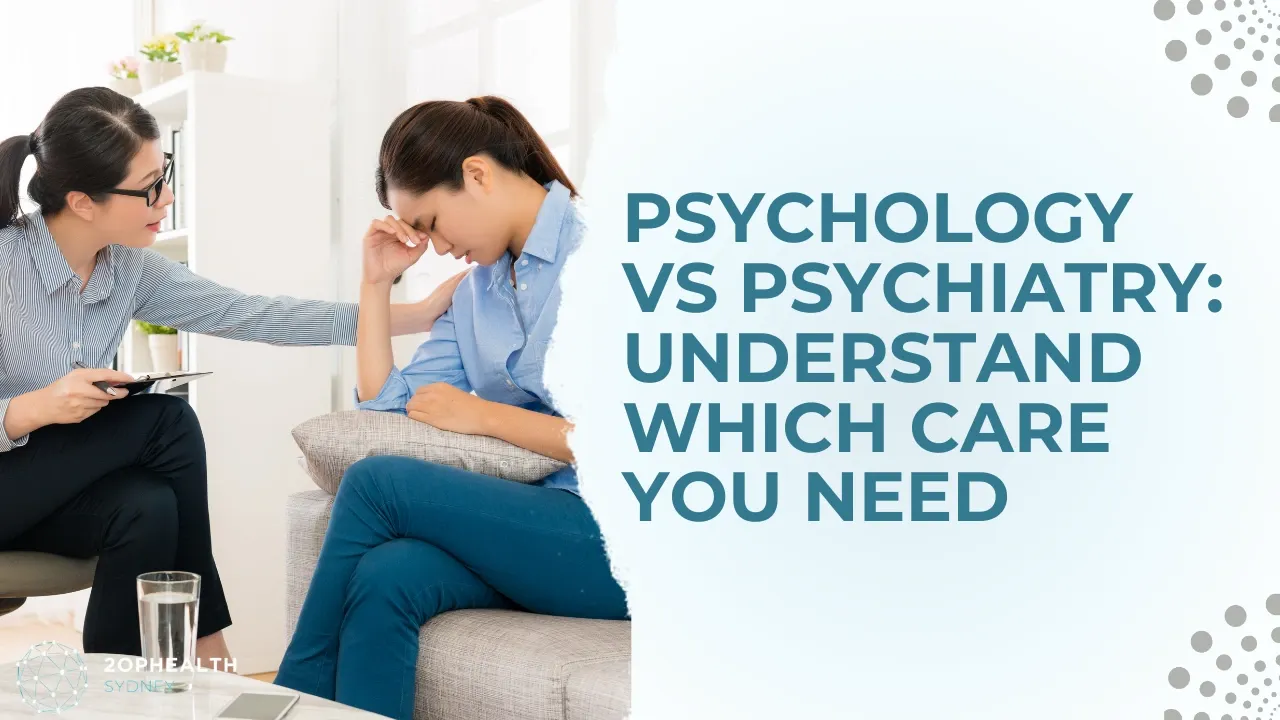
When comparing psychology vs psychiatry, the right choice depends on your symptoms, treatment goals, and whether you need therapy, medication, or both. Psychologists primarily provide therapy, behavioral support, and emotional guidance, while psychiatrists are medical doctors who diagnose mental health conditions and prescribe medication. Understanding the difference helps you choose the right mental health care for your needs.
What Is the Difference Between Psychology and Psychiatry?
The main difference between psychology and psychiatry is that psychologists focus on therapy and behavioral treatments, while psychiatrists are licensed medical doctors who diagnose mental health conditions, prescribe medication, and manage medical treatment plans. Knowing this distinction makes it easier to choose the right mental health professional.
Many people confuse psychology and psychiatry because both professionals support mental health, but they differ in education, diagnosis, and treatment methods. However, their training, responsibilities, and treatment methods are different.
A psychologist usually works with individuals experiencing stress, anxiety, relationship challenges, grief, trauma, or behavioral concerns. Sessions often involve talk therapy, emotional coping techniques, and practical strategies for long-term growth.
A psychiatrist, on the other hand, evaluates whether symptoms may require medication alongside therapy. They commonly treat conditions such as major depression, bipolar disorder, schizophrenia, ADHD, and severe anxiety disorders.
Understanding the difference between psychology and psychiatry can help you seek treatment sooner and choose the right professional from the beginning.
Should You See a Psychologist or a Psychiatrist?
The answer depends on your symptoms. If you're looking for emotional guidance, coping skills, or therapy, a psychologist is often the best first step. If symptoms are severe or medication may be necessary, a psychiatrist becomes the right choice.
Although psychology and psychiatry use different treatment approaches, both share the same goal: improving mental health and overall well-being.
You may benefit from a psychologist if you are experiencing:
- Persistent stress: Learning healthier ways to manage daily pressures.
- Relationship difficulties: Improving communication and emotional understanding.
- Work or academic burnout: Building resilience and coping strategies.
- Trauma recovery: Processing painful experiences safely through therapy.
You may benefit from a psychiatrist if you experience:
- Severe depression: Symptoms that significantly affect daily life.
- Panic attacks: Frequent or disabling episodes.
- Hallucinations or delusions: Conditions requiring medical evaluation.
- Medication concerns: Adjusting or monitoring psychiatric prescriptions.
In many cases, psychology and psychiatry work together rather than replacing one another. Many people receive both therapy and medication because the combination often produces the strongest long-term results.
Is Psychology Better Than Psychiatry?
Psychology helps people understand thoughts, emotions, habits, and relationships. Therapy encourages lasting emotional growth and teaches skills that continue long after treatment ends.
Psychiatry focuses on the medical side of mental health. When brain chemistry contributes to symptoms, medication can help create stability so therapy becomes more effective.
Instead of asking which profession is better, focus on the type of support your symptoms require.
How Does Psychiatry Compare With Psychiatric Care?
Many people confuse these terms, but psychiatry vs psychiatric describes two different ideas. Psychiatry is a medical specialty, while psychiatric refers to anything related to mental health treatment.
For example:
|
Term |
Meaning |
Example |
|
Psychiatry |
The medical field is focused on diagnosing and treating mental illness |
A psychiatrist evaluates symptoms and prescribes medication. |
|
Psychiatric |
Describes services, conditions, hospitals, or patients related to mental health |
Psychiatric assessment, psychiatric clinic, psychiatric nurse. |
Understanding psychiatry vs psychiatric prevents confusion when reading healthcare information or booking appointments.
Can You Receive Mental Health Care Online?
Yes. Modern online psychiatry allows patients to meet licensed psychiatrists through secure virtual appointments. Many people now receive professional mental health care without needing to visit a clinic in person.
Virtual appointments are especially useful for people with busy schedules, transportation challenges, or limited local specialists.
Benefits of psychiatry online include:
- Convenience: Attend appointments from home.
- Privacy: Receive care in a comfortable environment.
- Flexible scheduling: Easier to fit treatment into daily life.
- Improved access: Reach specialists even in remote areas.
Today, online psychiatry makes professional mental health care more accessible than ever.
Many providers also combine online psychiatry with therapy, giving patients a complete treatment experience without multiple office visits.
Both online and in-person mental health services are effective options, depending on your symptoms, preferences, and access to care.
How Can You Choose the Right Mental Health Care?
Choosing the right mental health professional begins with understanding your symptoms and discussing them with a qualified provider. You don't need to have every answer before asking for help.
1. Recognize Your Symptoms
Pay attention to emotional changes, sleep problems, ongoing sadness, excessive worry, or changes in daily functioning.
2. Decide Whether Therapy Is Your Main Need
If you're mainly looking for emotional support, personal growth, or coping strategies, psychology services are often the ideal starting point.
3. Consider Medical Evaluation
If symptoms are severe, persistent, or interfere with everyday life, a psychiatric assessment may help determine whether medication could be beneficial.
4. Explore Virtual Care Options
If traveling is difficult, both online psychiatry and therapy services provide convenient access to experienced professionals.
5. Continue With the Recommended Treatment Plan
Mental health recovery is often gradual and requires consistent treatment. Whether your provider recommends therapy, medication, or both, consistency often leads to the best outcomes. For many people, combining therapy with psychiatric care provides the most effective long-term treatment.
Why Do Many People Benefit From Both Psychology and Psychiatry?
Research shows that many mental health conditions respond best to a combination of therapy and medical treatment. Rather than choosing one over the other, many treatment plans combine both approaches.
A psychologist helps you understand emotional patterns, develop healthier habits, and improve resilience. A psychiatrist manages medication when appropriate and monitors your overall mental health progress.
Working together, psychologists and psychiatrists can provide comprehensive care that addresses both emotional and medical needs. That's why many treatment plans include both psychology and psychiatry when appropriate.
Once you understand the roles of psychologists and psychiatrists, choosing the right type of care becomes much easier.
FAQs
Can I see a psychologist before seeing a psychiatrist?
Yes. Many people begin with therapy first. If your psychologist believes medication could help, they may recommend seeing a psychiatrist while continuing therapy.
Can psychologists prescribe medication?
No. In most regions, psychologists do not prescribe medication. Medication management is typically handled by licensed psychiatrists or other qualified medical professionals.
Is online mental health care effective?
Yes. Virtual appointments have become a trusted option for many people. Success depends on choosing qualified professionals and staying consistent with treatment.
How long does therapy usually take?
The length varies based on your goals and individual situation. Some people benefit from a few months of therapy, while others continue longer for ongoing personal growth.
Will medication solve every mental health problem?
Medication can reduce symptoms, but it often works best alongside therapy, healthy habits, and continued professional guidance.
What if I'm unsure which professional I need?
That's completely normal. Start with a mental health assessment. A qualified provider can recommend the right direction based on your symptoms and treatment goals.
Ready to Build a Career in Mental Health?
Interested in building a career in mental health? Courses 2OP Health offers practical training to help you develop the knowledge and skills needed for a rewarding healthcare career. Explore our free masterclass to learn more and take the next step toward your professional goals.
Stay connected with news and updates!
Join our mailing list to receive the latest news and updates from our team.
Don't worry, your information will not be shared.
We hate SPAM. We will never sell your information, for any reason.